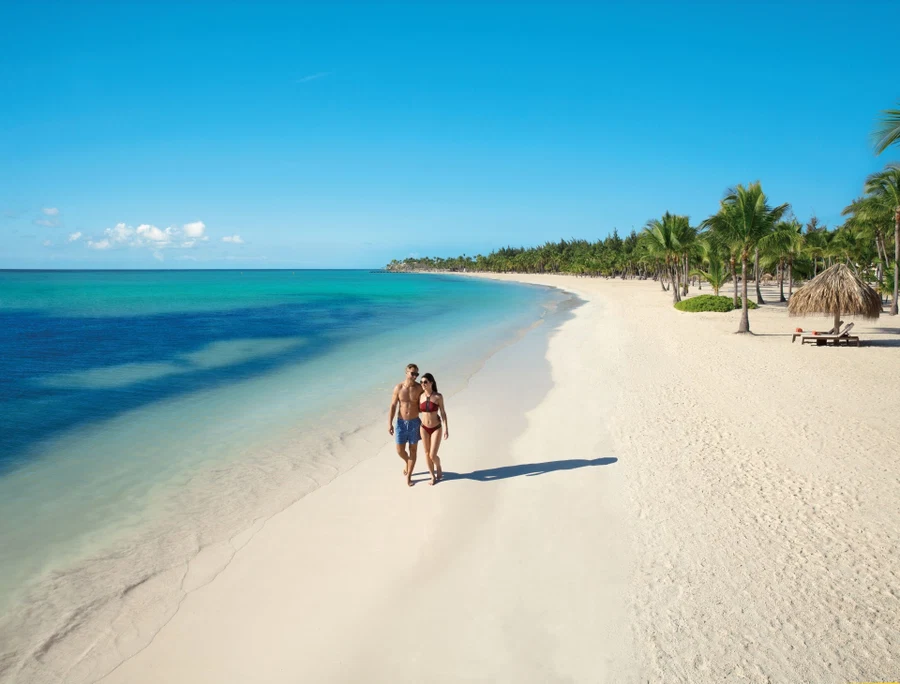
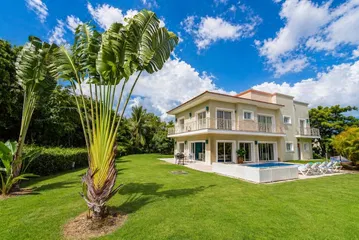
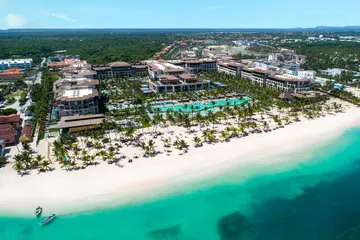

Punta Cana is not one beach, one resort strip or one kind of holiday. At the eastern end of the Dominican Republic, the name covers a broad visitor destination: busy resort districts, private villa communities, long open beaches, golf courses and quieter stretches of coastline. Where you stay can change the experience almost as much as the hotel or rental you book.
Bávaro offers a wide range of accommodation and visitor services. Cap Cana appeals to travelers who like planned resort communities, villas and the marina. Macao has a more open, surf-oriented beach, while Uvero Alto feels farther removed from the busier central resort districts. Knowing those differences before you choose a property is the most useful first step.
This guide covers the destination itself: where Punta Cana is, which areas and beaches differ, how arrival and transport work, what to expect from the seasons and how to plan time beyond a resort. Detailed property comparisons belong in our separate Where to Stay in Punta Cana guide and the accommodation sections in the sidebar.
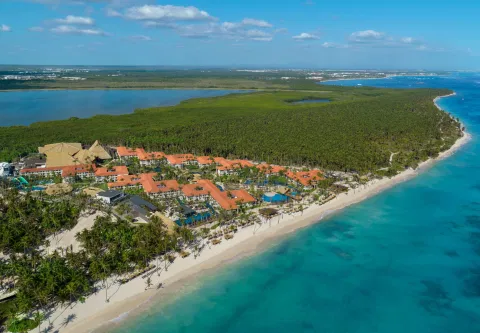
Punta Cana at a glance #
| Planning question | The useful answer |
|---|---|
| Country and province | Dominican Republic → La Altagracia |
| Location | Eastern Dominican Republic, where the Atlantic-facing coast meets the island’s eastern end |
| Main arrival airport | Punta Cana International Airport (PUJ) |
| Language | Spanish; English is used in many tourism businesses, but not everywhere |
| Currency | Dominican peso (DOP); some visitor businesses quote prices in US dollars |
| Time zone | Atlantic Standard Time (UTC−4) throughout the year |
| Best known for | Beaches, resort stays, villas, golf, water activities and excursions |
| Important first choice | Which area and exact beach fit your trip, not just which property has the nicest photos |
Punta Cana is a tourism destination rather than a separate Dominican province. The administrative context matters when checking addresses: a booking may use Punta Cana for a property in a neighboring resort area, even though the immediate setting and driving route differ.
Where is Punta Cana, and how far does the destination extend? #
Punta Cana sits in the east of Hispaniola, within La Altagracia province. The broader tourism area extends well beyond the peninsula’s namesake point. In travel listings, the name often includes Bávaro, Cabeza de Toro, Arena Gorda, Cap Cana, Macao and Uvero Alto. These names describe different stretches of coast and accommodation districts; they should not be treated as identical neighborhoods.
This is why a map matters more than a generic distance from «central Punta Cana». The destination does not have one compact, walkable downtown connecting all of its beaches and resorts. A property can be in the greater Punta Cana market while requiring a car or transfer for meals, attractions or another beach.
For the wider regional context, our La Altagracia province guide covers Higüey, the province’s geography and places outside the Punta Cana resort corridor.
Punta Cana areas: which one matches your travel style? #
You do not need to memorize every resort-zone name. Start by comparing the four broad choices below, then inspect your shortlisted property’s exact address, beach and transport requirements.
Bávaro: the broadest mix of stays and activity #
Bávaro is a practical starting point for visitors who want choices: large resorts, independent hotels, apartments, vacation rentals, restaurants and excursions. Within the wider Bávaro area, Los Corales and El Cortecito feel different from larger, more self-contained resort complexes farther along the coast.
Why choose it: a wide accommodation range and more chances to arrange services and outings outside your hotel. What to verify: whether your actual room or villa has usable beach access and whether restaurants are walkable from its entrance, not merely nearby on a map.
Cap Cana: planned resort communities and private villas #
Cap Cana occupies a planned development south of the central Bávaro districts. Its best-known settings include luxury hotels, villas, golf and the marina, with Juanillo Beach among the area’s draws. It often suits travelers who expect to spend significant time at their accommodation.
Why choose it: a resort-community environment, villa options and a quieter style of trip. What to verify: property-specific rights to beach clubs, marina facilities, golf and shared amenities. A Cap Cana address does not grant automatic entry to every private facility. Our Cap Cana vs Bávaro comparison examines this choice in more detail.
Macao: a natural-feeling beach with stronger surf #
Playa Macao stands out because its shoreline feels less like a continuous private resort complex. It is associated with surfing and a more open beach landscape. That does not make the water automatically suitable for swimming: waves and currents can be strong, and conditions change.
Why choose it: scenery, beach visits and surfing-oriented activities. What to verify: lifeguard or local safety advice, sea conditions on the day, access arrangements and how far your accommodation is from food and other services.
Uvero Alto: northern beaches and resort-focused stays #
Uvero Alto lies farther north along the coast and is popular with guests who plan to enjoy resort facilities rather than move between busy visitor centers every day. The shoreline can be scenic and comparatively uncrowded, but the Atlantic swell and undertow demand caution in some areas.
Why choose it: a trip where the resort itself is the main base and being away from the busiest districts is a plus. What to verify: the actual swimming conditions, available food options and transport arrangements. Our Uvero Alto resorts and beach-access guide goes into those trade-offs.
Other names you may see on hotel listings #
Cabeza de Toro is another established beach and resort area, while Arena Gorda describes an extended resort section north of central Bávaro. Puntacana Resort & Club is a distinct resort-community name and should not be confused with the entire destination. Search by the exact location of a property instead of assuming every «Punta Cana» address offers the same beach or facilities.
Punta Cana beaches: choose by conditions, not just photographs #
The official Dominican tourism guide highlights Bávaro, Macao, Juanillo, Cabeza de Toro, Bibijagua and Los Corales among the area’s beaches. They do not offer one uniform shoreline experience.
| Beach or zone | What draws visitors | Practical check |
|---|---|---|
| Bávaro Beach | Broad resort coastline, beach walks and excursions | The exact public-access route and where your property sits along the shore |
| Los Corales / El Cortecito | Beachfront establishments and nearby accommodation | Whether the entrance and surrounding streets are actually walkable |
| Macao | More open beach, scenery and surfing | Waves, currents and conditions before entering the water |
| Juanillo (Cap Cana) | Pale sand and resort-community scenery | Access rules for your particular visit or booking |
| Cabeza de Toro | Resort beaches and coastal activities | Water conditions and access from your hotel |
| Uvero Alto | Long, less densely developed stretches | Surf, undertow and safety away from supervised areas |
Three beach details deserve more attention than a glossy listing photo. First, beachfront, oceanfront and ocean view describe different things; a view is not proof of walk-in swimming access. Second, a property’s beach-club privileges can vary by rate and host. Third, sea conditions can change daily, even when a coastline looks calm in promotional photography.
Floating seaweed, including sargassum, can affect beaches at different times. Its presence and cleanup cannot be guaranteed from a seasonal average, a hotel name or an older review. If beach swimming is central to your holiday, check current, location-specific conditions shortly before travel and have a pool or alternative activity in mind.

Villas, resorts and hotels: which suits you? #
The right accommodation type depends on how much of your trip will happen on the property, who is traveling and what you expect to do outside it. Here is the broad decision, not another catalog of the same properties.
Villas #
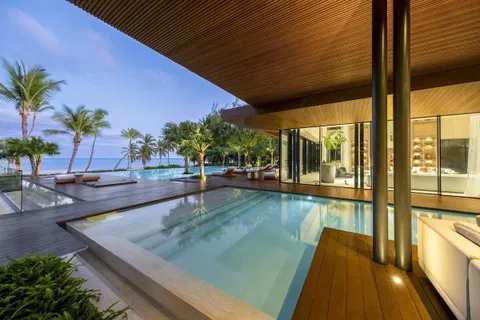
Villas are well suited to families and groups who want shared living space, separate bedrooms and perhaps a private pool. They provide flexibility, but guests must also arrange the practical details that a resort might normally handle.
Before booking: confirm the sleeping layout, maximum occupancy, whether the pool is private, transportation, staff arrangements and the full cost of cleaning or other fees. A villa advertised for eight is not necessarily right for eight adults who each want a separate bed. Our beachfront villa guide explains the difference between a coastal view and usable beach access.
Resorts #
Resorts suit travelers who prefer dining, pools and activities in one place. An all-inclusive booking can simplify a trip, but the package depends on the property, room category and rate.
Before booking: check exactly which restaurants, drinks and activities are included, any reservations required, beach access and age policies for children’s facilities. See our all-inclusive resort guide for the details that are easiest to overlook.
Hotels #
Hotels work well for visitors who expect to explore outside their accommodation and do not necessarily need a large resort’s entertainment program. Their value depends on their exact location and what the booked room rate includes.
Before booking: confirm meal arrangements, beach access, parking or airport-transfer needs, room occupancy and any extra charges. Compare the location on a map rather than assuming a hotel with a Punta Cana address is near your preferred beach.
For a more detailed area-first comparison, read Where to Stay in Punta Cana: Areas, Resorts & Villas. It is a separate guide because choosing a lodging style is a different question from understanding the destination as a whole.
Arriving at Punta Cana International Airport (PUJ) #
Punta Cana International Airport (PUJ) is the main air gateway for the destination. Once you land, the route to your accommodation depends on its exact area. A hotel described as «Punta Cana» may be in Cap Cana, Bávaro or much farther north in Uvero Alto.
The airport lists taxis and rental-car operators, with transport arrangements varying by terminal and provider. Check which terminal your flight uses and confirm your meeting location before arrival. Our Punta Cana Airport arrivals and ground transport guide explains the free E-Ticket, PUJ terminals and the main ways to reach your hotel or villa.
What to arrange before landing #
- Get the full property address, not just the marketing name of the hotel or neighborhood.
- Choose a transfer arrangement that fits your party, luggage and arrival time. Confirm the final price, vehicle size and waiting policy before paying.
- Consider a rental car only if it suits the trip. Many resort-only holidays do not require one, while several independent outings can make one convenient.
- Plan for your return trip. Ask the driver or provider how pickup will be confirmed and leave appropriate time for airport procedures, traffic and airline requirements.
Do not rely on a fixed advertised transfer time for every property. Traffic, the precise entrance to a resort, road conditions and stops can all change the journey. A distance shown in a booking app is not a guaranteed arrival estimate.
Getting around after check-in #
Inside a large resort, walking or property shuttles may cover most daily needs. Outside it, the region is car-oriented. Transport between Bávaro, Cap Cana, Macao and Uvero Alto is not generally a simple beach-to-beach stroll. If you plan several excursions, compare organized pickup, a private driver and self-driving based on the actual routes.
Ride-app pickup arrangements can vary by location, particularly at terminals and gated properties. Agree where the driver can legally and practically collect you. For self-driving, inspect parking rules and rental insurance rather than relying solely on the headline rental rate.
Best time to visit Punta Cana: weather, crowds and trade-offs #
Punta Cana is warm through the year, but there is no one month that promises perfect sun, flat water, empty beaches and low prices simultaneously.
December through April is widely considered the more popular, generally drier travel window. It can be attractive for winter sunshine, but busy holiday dates and desirable properties may need earlier booking. Rain can still occur, and water conditions vary by beach.
Late spring and summer can offer different crowd patterns and warm beach days, alongside greater chances of showers and humid conditions. Short showers and extended wet spells are not the same thing; individual forecasts matter more than a month label.
June 1 through November 30 is the official Atlantic hurricane season, according to the US National Hurricane Center. That does not mean a hurricane reaches Punta Cana each day, or even that one affects every trip, but it does make flexible plans, suitable travel insurance and monitoring official advisories more important. Storm risk is a real consideration, not a reason to accept sensational predictions.
How to choose dates without overpromising #
- Decide whether your priorities are beach swimming, lower crowds, a family school-break window or a particular budget.
- Check current airline schedules and the cancellation policy of the exact property you intend to book.
- For sea-focused trips, monitor beach conditions, currents and sargassum close to departure, not months earlier.
- If traveling during storm season, check the insurer’s wording on named storms, disruption and date-specific coverage.
Weather is regional and changeable; average monthly temperatures are not a forecast for your stay.
Things to do around Punta Cana beyond the resort #
Punta Cana is a beach destination, but a good itinerary does not need to consist of seven identical pool days. Choose excursions based on where they actually depart, the time required and your group’s interests.
Coastal and outdoor experiences #
Beach exploration is the simplest option. A visit to Macao offers a different feel from a built-up resort beach, while Juanillo and Cabeza de Toro have their own environments and access considerations. Check conditions before swimming, especially with children.
Scape Park and Hoyo Azul are among the area’s organized attractions, with access and activities subject to the operator’s current rules. The Indigenous Eyes Ecological Reserve is another local nature option, with access conditions that should be checked in advance. Neither is an unrestricted public facility simply because it appears on an attraction map.
Saona Island is a popular excursion from the wider eastern Dominican Republic, typically involving travel to a departure point outside Punta Cana and a boat journey. It is not a small island directly off Bávaro Beach. Ask the tour operator for its actual departure location, road transfers, boat type and weather-cancellation policy.
Activities where the details matter #
Snorkeling, diving and boat trips depend on sea conditions and the specific licensed provider. Compare departure points, equipment, group sizes, cancellation rules and whether travel from your hotel is included. A tranquil photograph cannot confirm conditions on your travel day.
Golf and marina activities are part of the area’s appeal, particularly in planned resort communities. Check whether access, tee times and equipment are included in your stay or charged separately.
Food, local life and nearby towns: a resort buffet is only one way to eat in the Dominican Republic. Exploring outside the hotel can add another perspective, but use an appropriate route and transport plan. For provincial towns, communities and culture beyond the resort coast, consult our La Altagracia guide.
Planning a Punta Cana trip by travel style #
A short trip benefits from deciding what matters before adding excursions to the schedule. Build the itinerary around realistic transfers and enough time to enjoy the property you booked.
| Trip style | A sensible starting plan |
|---|---|
| First-time couple | Choose an area first; reserve time for the beach, one excursion and unplanned downtime |
| Family with young children | Prioritize room layout, shade, manageable transfers, safe swimming and confirmed club age rules |
| Friends or larger group | Compare villas against multiple hotel rooms; settle sleeping arrangements and shared transport early |
| Resort-focused relaxation | Put most activities at the property; add one outside outing if its journey is worthwhile |
| Independent exploration | Assess whether a car and centrally located hotel make more sense than a secluded all-inclusive resort |
For families, a «kids’ club» label does not prove that toddlers can be left there: minimum ages and adult-supervision policies vary. Our resorts for toddlers comparison discusses those distinctions.
If you have only a few nights, do not plan an intensive cross-region schedule merely because attractions seem close on a map. For a longer trip, contrast a relaxed resort day with a beach visit or well-organized excursion. The value lies in having time to enjoy each stop.
Practical information before you travel #
Entry paperwork: the Dominican Republic uses a free government e-ticket for passengers arriving or departing on commercial flights. It is an immigration and customs form, not a paid fast-track product. Complete the required form through the official government service and confirm current passport, visa and onward-ticket rules for your nationality. Rules and temporary exceptions can change; the official tourism authority publishes updates.
Money: the Dominican peso is the local currency. Some tourism businesses display prices in US dollars, but conversion, payment acceptance and exchange rates vary. Confirm the currency and total charges before paying. For group accommodation, look beyond the nightly price to cleaning, electricity, service and transport fees.
Language and connectivity: Spanish is the country’s official language. English is common in parts of the visitor industry but not universal. Confirm whether your accommodation offers reliable Wi-Fi if you need it for work, and check your mobile plan’s roaming or eSIM terms before travel.
Safety and health: use ordinary travel precautions, reputable transport providers and up-to-date official advice. Never assume that all beaches are supervised or safe for swimming. In hot weather, plan for hydration, shade and sun protection, especially for young children.
Access and expectations: a villa in a gated development is not necessarily attached to an accessible beach, and a five-star resort’s facilities may differ by room tier. Read the actual reservation conditions, not only the property category.
Punta Cana frequently asked questions #
Some visitors use Punta Cana to describe several nearby resort districts. These answers clarify the location differences and practical choices that matter before booking.
Is Punta Cana a city or a region? #
In tourism, Punta Cana is used for a broad resort destination on the eastern side of the Dominican Republic. Listings may use the name for accommodation in several neighboring districts. The exact location is more useful than the broad destination label.
Is Punta Cana the same as Bávaro? #
No. Bávaro is one of the major resort districts in the wider Punta Cana tourism area. It is often convenient for varied accommodation and services, while Cap Cana, Macao and Uvero Alto offer different surroundings.
Which area is better, Bávaro or Cap Cana? #
Neither is universally better. Bávaro offers a wider mix of lodging and visitor services; Cap Cana tends toward planned resort-community stays and upscale villas. Compare the full Bávaro vs Cap Cana guide before choosing.
Which Punta Cana beaches are best for swimming? #
There is no permanent winner. Conditions depend on surf, currents, weather and your exact stretch of beach. Macao and parts of Uvero Alto can have powerful waves or undertow, so always evaluate local conditions before entering the water.
Do you need a car in Punta Cana? #
Not necessarily. If you plan to remain mostly at an all-inclusive resort, a prearranged airport transfer may be enough. For multiple independent outings or a remote villa, compare driving with private transport and organized pickups.
Is Punta Cana suitable for a holiday with children? #
Yes, provided the actual accommodation and beach match the children’s needs. Check sleeping arrangements, shade, swimming conditions, the ages allowed in kids’ clubs and transport time from your arrival airport.
Is Punta Cana only about all-inclusive resorts? #
No. Resorts are prominent, but the area also has villas, hotels and other independent accommodation. The best choice depends on privacy, location, dining preferences and the structure of your trip.
Sources and further reading #
The destination details and practical cautions above were checked against the following primary sources. Policies, sea conditions, schedules and access arrangements should always be reconfirmed for the dates of your visit.
- Dominican Republic Ministry of Tourism: Punta Cana destination overview: geography, beaches and recognized attractions.
- Dominican Republic Ministry of Tourism: Playa Uvero Alto: beach setting and caution about strong waves and undertow.
- Punta Cana International Airport: transportation services: airport taxis, rental cars and transport arrangements.
- Dominican Republic Ministry of Tourism: entry requirements: government e-ticket and travel documentation.
- US National Hurricane Center: tropical cyclone climatology: official Atlantic hurricane-season dates and climatological context.